Guest: John Mackey
WHY.os: Better Way – Challenge – Contribute
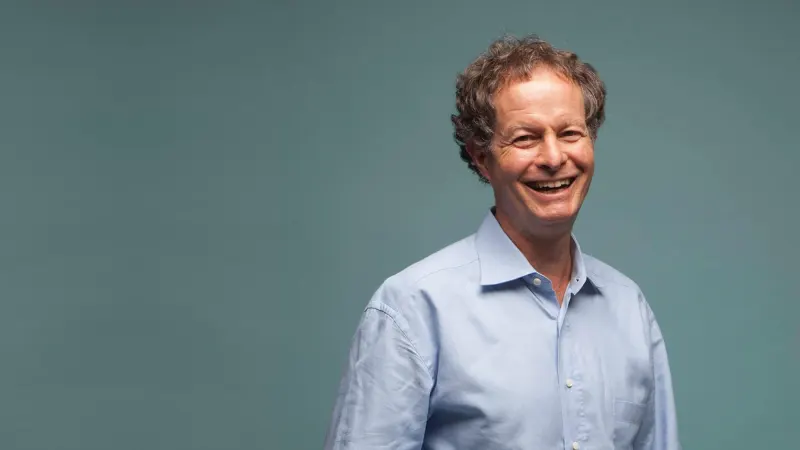
John Mackey is the co-founder and former CEO of Whole Foods Market, where he spent more than four decades growing a single natural foods store into one of the most influential grocery companies in the world. Along the way, he changed how millions of people think about food, business, and leadership. Today, he’s the co-founder and CEO of Love.Life, a company dedicated to helping people live healthier, happier, and longer lives.
This episode matters because John lives the WHY of Better Way. Throughout his life, he has been driven to improve whatever he touches—from the way we eat to the way businesses serve people. Through his HOW of Challenge, he questions assumptions that others simply accept. Through his WHAT of Contribute, he creates solutions that improve the lives of others.
You’ll learn:
- Why constantly looking for a better way led John to build Whole Foods.
- How one devastating flood inspired the principles behind Conscious Capitalism.
- Why business should create value for everyone—not just shareholders.
- How choosing growth over comfort has shaped every chapter of John’s life.
If you’ve ever believed there has to be a better way to live, lead, or build a business, this conversation will leave you inspired.
Watch the Full Episode Here!
Episode Highlights
00:00 – Meet John Mackey
04:18 – Growing up and searching for meaning
11:30 – The questions that shaped his life
18:00 – Starting Whole Foods with a different vision
28:00 – The flood that changed everything
39:00 – The birth of Conscious Capitalism
53:00 – Why business should serve all stakeholders
1:06:00 – Love.Life and John’s next mission
1:14:00 – Final advice for living with purpose
Listen to the Episode Here!
How John Mackey Found a Better Way to Build Business, Health, and a Meaningful Life
Some people build companies.
John Mackey built a movement.
Long before Whole Foods became one of the most recognizable grocery brands in America, John wasn’t studying business. He was studying philosophy, religion, psychology, literature, and asking questions most college students never ask.
“Why am I here?”
“What’s the purpose of life?”
That search eventually led him to discover something else. There had to be a better way.
A better way to eat.
A better way to run a business.
A better way to lead.
A better way to live.
That simple idea became the foundation for everything that followed.
Whole Foods Started With a Different Way of Thinking
When John moved into a vegetarian co-op in Austin, something changed. He realized food wasn’t simply fuel. It was nourishment.
That shift in perspective sparked a passion that eventually became Whole Foods Market.
Instead of opening another grocery store, John wanted to create a place where people could find healthier food and better information about living well.
The first version didn’t work. It was too limited. Too small. Too restrictive.
So he improved it.
He merged with another natural foods store, opened the first Whole Foods Market, and continued refining the concept year after year.
That perfectly reflects the WHY of Better Way.
People with this WHY are rarely satisfied with “good enough.”
They’re constantly asking:
“How can this work better?”
“How can we improve this?”
“What could make a bigger difference?”
The Flood That Changed His Leadership
One of the most powerful stories in the episode isn’t about business success. It’s about disaster.
Less than a year after opening the first Whole Foods Market, a massive flood filled the store with nearly nine feet of water.
The business was effectively wiped out. But something remarkable happened. Customers volunteered to help clean up. Employees stayed without pay until the store reopened. Suppliers extended credit. Investors contributed more capital. Even the bank found a way to help them survive. That experience forever changed how John viewed business.
He realized a successful company isn’t built around shareholders alone. It’s built around relationships.
Years later, that insight became the foundation of Conscious Capitalism—the belief that businesses create the greatest impact when they serve customers, employees, suppliers, investors, and the communities around them.
It wasn’t an idea born in a classroom. It was a lesson learned through adversity.
Success Was Never the Goal
Many entrepreneurs dream of selling their company. John never built Whole Foods with that goal in mind. His focus was always on creating something better.
Even after growing Whole Foods into a multibillion-dollar company and leading its acquisition by Amazon, he wasn’t finished. Instead of retiring, he launched Love.Life.
Why?
Because he believes our healthcare system can be better. Our nutrition can be better. Our lives can be better.
That’s what people with the WHY of Better Way naturally do. When one problem is solved, they begin looking for the next opportunity to improve something that matters.
Every Day Is Another Chance to Grow
One of the most personal moments in the conversation comes near the end.
John talks about learning to see people through the eyes of love instead of judgment.
He admits it’s something he still practices every day—even during competitive pickleball games.
When he catches himself becoming frustrated, he reminds himself that every new moment offers another opportunity to choose differently.
That philosophy reflects something deeper than optimism. It reflects continual growth. For John, improvement isn’t just about companies. It’s about becoming a better human being.
The Better Way in Action
Throughout the conversation, John’s WHY.os appears over and over again.
His WHY of Better Way drives him to improve systems, industries, and even himself.
His HOW of Challenge helps him question assumptions and refuse to accept that things have to stay the way they’ve always been.
His WHAT of Contribute ensures those improvements create value for other people.
Whether he’s talking about food, business, leadership, health, or personal growth, the goal is always the same:
Leave things better than he found them. That may be John’s greatest lesson. The biggest impact doesn’t come from accepting the world as it is. It comes from believing there’s a better way—and having the courage to build it.
If you’re ready to rethink business, leadership, health, and purpose, don’t miss this episode of Beyond Your WHY with Dr. Gary Sanchez.
Meet the Guest
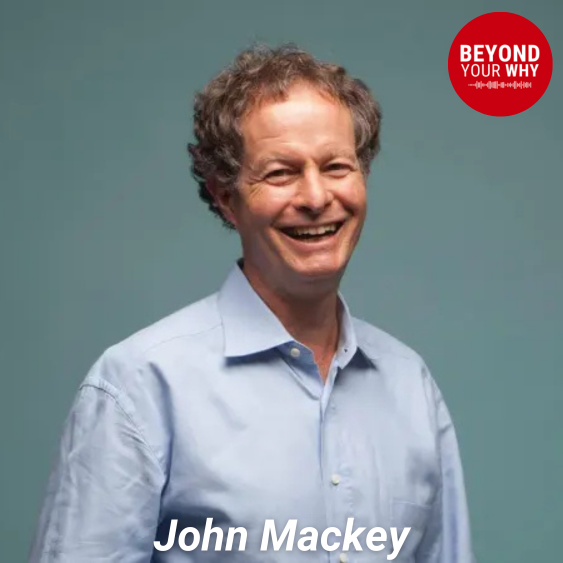
John Mackey is the legendary entrepreneur who changed the way America eats. He is the co-founder and longtime CEO of Whole Foods Market, which he grew over 44 years from a single natural foods store in Austin, Texas into a 540-store, multibillion-dollar pioneer in organic and natural groceries, employing more than 100,000 team members across the U.S., U.K., and Canada. Under his leadership, Whole Foods helped mainstream healthy, sustainable food and was ultimately acquired by Amazon in a $13+ billion deal.
Beyond Whole Foods, John co-founded the Conscious Capitalism movement and co-authored the bestselling book Conscious Capitalism: Liberating the Heroic Spirit of Business. He’s also the author of Conscious Leadership and The Whole Story: Adventures in Love, Life, and Capitalism.
Today, John is the co-founder and CEO of Love.Life, an ambitious health and wellness company that combines nourishing food, holistic medical care, and precision wellness therapies to help people live happier, healthier, and longer lives.
Get in Touch with John
LinkedIn: https://www.linkedin.com/in/iamjohnmackey/
Website: https://love.life/newsroom
Want to Discover your WHY.os?
Click HERE to get 50% Off your WHY.os Discovery courtesy of John Mackey